The myth that a little skill makes a machine legal
Here is the belief that has cost operators millions: if a player can influence the outcome, the machine isn’t gambling. That is wrong in most of the United States, and Pennsylvania just proved it in the bluntest possible way. The debate over skill games vs slots is not about whether a game has a skill feature bolted onto it. It is about whether chance still decides the result. Once a court answers that question, everything else follows: who can own the machine, where it can sit, what tax it pays, and whether police can carry it out the door.
That is the thesis of this piece. Legal classification is not a label regulators stick on a cabinet after the fact. It is the switch that determines whether a device is a licensed gaming product or contraband.
What are skill games, and what actually separates them from slots?
A skill game is a wagering device where the player’s decisions or physical ability measurably change the outcome, rather than just changing how the outcome is displayed. A slot machine is a device where the result is set by a random number generator (RNG) the moment you press spin, and nothing you do afterwards alters it.
The practical test most lawyers apply is simple: could a genuinely better player, given time and practice, produce a better long-run result on this machine than a novice? On a true skill game, yes. On a slot, no, because the RNG output is fixed and independent of the player, and past spins tell you nothing about future ones.
How the law tends to define a skill game
Statutes vary state by state, but the common thread is a three-part definition of gambling: consideration (you pay to play), a prize, and chance. A game can be a skill game only if that third element is absent or, depending on the state, not dominant. Classic examples courts have treated as skill-predominant include chess, darts, pool and some esports competitions where entry fees fund prizes.
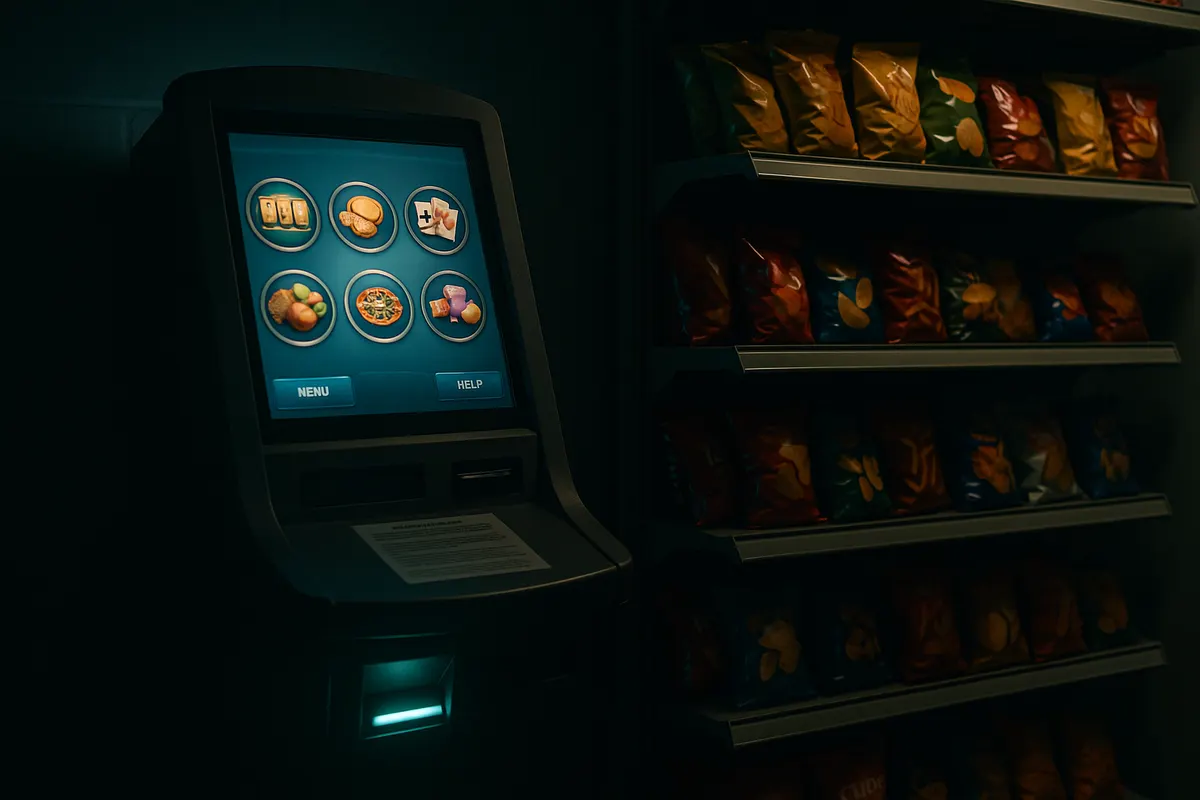
Where the argument gets messy is the hybrid machine. Many “skill” terminals in convenience stores show a slot-style reel result first, then offer a nudge, a memory puzzle or a follow-the-path feature. The player can affect whether they collect the prize the machine has already determined. Operators call that skill. Regulators increasingly call it a display feature attached to a chance outcome.
How slots work differently
A regulated slot is a closed mathematical system. The RNG selects symbol positions, the paytable converts them into a payout, and the long-run return to player (RTP) is fixed by design, typically in the mid-90s percent range for online slots. The remainder is the house edge, which is exactly why the operator profits over time. Volatility changes how bumpy the ride feels, not the underlying return. No sequence of button presses moves that figure, and any product claiming otherwise is misdescribing itself.
How regulators separate games of chance vs skill
Three legal standards dominate, and the one your state uses can flip an identical machine from lawful to illegal.
- Predominance (dominant factor) test — the most widely used. If chance is the dominant factor in determining the outcome over a series of plays, the game is gambling, even if skill is present.
- Material element test — stricter. If chance is a material element of the result, the game is gambling, regardless of whether skill predominates.
- Any chance test — strictest. Any meaningful element of chance is enough to make the game gambling.
Notice what all three share: adding a skill layer never subtracts the chance layer. That is the point operators most often miss when they buy a cabinet on a vendor’s assurance that it has been “legally reviewed.”
The predominance test in practice
Courts and gaming commissions look at the whole play cycle. Is the outcome determined before the player’s input, or by it? Does the skill element affect the prize amount or only whether the player claims a prize already awarded? Can an expert player demonstrate a statistically better return than a random button-masher across thousands of plays? Poker sits in genuinely contested territory because betting decisions compound over many hands. A reel spin with a puzzle attached usually does not.
The testing methods regulators use
Classification is rarely decided on marketing copy. Investigators and independent test laboratories typically:
- Examine the source code and RNG to see when the outcome is generated.
- Review the paytable and mathematical model for a fixed theoretical return.
- Run simulated play, comparing expert and novice performance over large sample sizes.
- Inspect the cabinet for bill validators, printers, credit meters and other hardware typical of slot machines.
- Check accounting and audit logs to see how revenue is recorded and shared.
If the machine banks money like a slot, pays like a slot and generates outcomes like a slot, the skill wrapper rarely survives scrutiny.
Pennsylvania’s skill game crackdown, step by step
Pennsylvania is the clearest live case study in the country. The state Supreme Court held that an element of skill in a game that is otherwise based on chance does not exempt the device from the Pennsylvania Gaming Act. In plain terms: these terminals are slot machines, and slot machines may only operate inside a facility licensed by the Pennsylvania Gaming Control Board.
The court attached a 120-day stay to its ruling of 15 June 2026, giving the market a grace period that expires on 13 October 2026. Pennsylvania State Police reminded businesses across the commonwealth that the estimated 70,000 skill games still operating must be not only powered off but physically removed by that date. Attorney General Dave Sunday reinforced the message on 29 September, warning that noncompliant businesses risk law enforcement action, and that he would rather see owners comply than see searches and seizures at storefronts, bars, social clubs and restaurants.
Which machines are in scope
The targets are the store-corner terminals, most commonly branded Pennsylvania Skill and supplied through Pace-O-Matic and Miele Manufacturing, sitting in convenience stores, grocery stores, bars and clubs. These machines became a meaningful revenue line for thousands of small businesses during and after the COVID-19 pandemic, which is exactly why the removal deadline is politically painful.
The industry has asked to be taxed and regulated, though at a rate far below the 48% to 54% slot machine tax Pennsylvania casinos pay, as published by the Pennsylvania Gaming Control Board. Legislators from both parties have shown willingness to build a legal framework, but no bill had cleared committee as the deadline approached, and a courtroom ruling does not pause while a legislature debates. One grocery chain owner told Casino.org his machines were still switched on and that he had heard nothing from the suppliers about what to do with the cabinets.
Why slot machine legality is the whole ballgame
Classification decides three things at once: who may operate the device, what the state takes, and what happens if you get it wrong.
| Factor | Licensed casino slot (Pennsylvania) | Unlicensed “skill game” terminal |
|---|---|---|
| Where it may operate | Inside a PGCB-licensed facility | Nowhere, after the ruling takes effect |
| Approval process | Licensing, independent lab certification, ongoing audit | No state certification of the game maths |
| Tax on revenue | 48%–54% on slot revenue (PGCB) | Untaxed as gambling revenue; industry has sought a far lower rate |
| Player protections | Age controls, self-exclusion, responsible gambling tools | Largely absent or unenforced |
| Legal exposure | Regulatory sanctions for breaches | Seizure, forfeiture of machines and cash, possible criminal charges |
The Attorney General’s guidance spelled out the downside explicitly: action may include seizing and forfeiting the machines, the associated equipment and the money tied to their operation, plus criminal charges where deemed appropriate. Distributors, vendors and manufacturers that refuse to pull their machines were put on the same notice. A misclassified device is therefore not just a compliance headache; it is an asset that can vanish along with the cash box.
What operators should actually do about it
If you place, distribute or host gaming terminals, treat vendor assurances as marketing, not legal opinion. A workable due diligence routine looks like this:
- Identify the governing test. Confirm whether your state applies the predominance, material element or any chance standard, and read the definition of “slot machine” in the local gaming act rather than a summary of it.
- Get an independent legal opinion per jurisdiction. One favourable opinion from another state is worth very little, and opinions written before a supreme court ruling are worth less still.
- Demand test lab documentation. Ask when the outcome is generated, whether there is a fixed theoretical return, and whether a recognised laboratory has certified the game. If a vendor cannot answer, that is your answer.
- Keep a paper trail. Contracts, revenue share terms, placement records and correspondence all matter if an investigator arrives.
- Build an exit plan before you need it. Know who removes the cabinets, who owns them, and who is liable for the cash inside when a court deadline lands.
Working with gaming commissions
Regulators are usually more approachable before an enforcement action than after one. Many gaming commissions publish advisory guidance and will respond to written requests for clarification, and state police or attorney general offices often issue compliance notices ahead of deadlines, as happened in Pennsylvania. Read those notices the day they appear. Monitor pending legislation too, but never rely on a bill that has not passed, which is precisely the trap Pennsylvania operators walked into.
Frequently asked questions
What are skill games in legal terms?
Wagering devices where the player’s decisions or ability measurably determine the outcome, rather than a random number generator. If the machine fixes the result before the player acts, most states classify it as a game of chance.
How do regulators distinguish skill from chance?
Through the predominance, material element or any chance test, supported by code review, RNG analysis, paytable inspection and simulated play comparing expert and novice results.
Why does the skill vs chance distinction matter?
It decides whether the device needs a gaming licence, where it may legally sit, what tax applies, and whether operating it is a crime.
What makes a game legal or illegal?
The combination of consideration, prize and chance under the relevant state statute, plus whether the operator holds the licence that statute requires. A skill feature does not remove the chance element.
Nothing here is legal advice; gaming law differs by state and changes quickly, so verify the current position with a licensed attorney and your gaming commission. If you play these machines, treat the money as entertainment spend rather than income, use deposit and time limits where they exist, and reach out to a national problem gambling helpline if play stops feeling like a choice.


Leave a Reply