Why casino floors still have unwritten rules
Walk onto a casino floor for the first time and it feels like everyone else got a memo you didn’t. Dealers move fast, chips get pushed around with hand signals instead of words, and the person next to you might tap the felt without saying a thing. None of that is random. Land-based casinos run on habits built up over decades, mostly so games stay fair, quick, and dispute-free. Knowing them is the difference between blending in and getting a quiet word from a pit boss.
Chips, hands, and why dealers are so particular
Dealers watch hands more closely than most players ever notice. Once cards are dealt or a bet is down, reaching back into your chip stack sets off alarm bells — not because anyone thinks you’re cheating, but because it breaks the audit trail the house relies on. Tapping the table before touching your cards in blackjack, or calling your bet out loud in roulette instead of just sliding chips over, is about the same thing: giving the dealer and any pit supervisor a clean moment to confirm what happened. Behind all that “trust the house” atmosphere, there’s a lot of paperwork.
Tipping habits shift from region to region and game to game, so there’s no fixed rate worth quoting here. What stays fairly constant is that tips go through the dealer’s hand or into a designated toke box, never just left loose on the table. If you’re not sure how it works, watch the regulars for a few minutes — that tells you more than any written guide ever will.
Table minimums and why they change through the night
Minimum bets at a given table often move as the evening wears on. A blackjack table sitting at a $10 minimum in the afternoon can turn into a $15 table by night simply because the floor manager is reshuffling tables to match demand. It’s nothing personal, and it’s not the casino trying to push you out. If a table’s minimum has crept above what you’re comfortable with, just ask a floor supervisor where a lower-stakes game is running — they get that question all night, every night.
Reading a room without saying a word
Poker rooms especially have their own body language. Players who’ve been at a table a while pick up on tells fast, and part of the etiquette is simply staying quiet about another player’s hand while it’s still live, even as a joke. Talking about folded cards, or guessing out loud at what someone’s holding, gets treated as a serious breach almost everywhere, because it can leak information to players still in the hand. It sounds obvious once someone spells it out, but it’s still the thing newcomers get pulled up on most.
Slot etiquette is looser, though it exists. A jacket left on a chair or a cup sitting on the machine is generally read as “in use,” but it’s still polite not to hold a spot that way for more than a few minutes when the floor’s busy. Machines with a lit “reserved” indicator, where casinos offer that option, are just the formal version of the same idea.
Dress codes and why they still exist
Some rooms — especially the higher-end ones in Europe and parts of Asia — still enforce dress codes that feel almost out of step in an age of everyday casual wear. It’s less about snobbery than about keeping the atmosphere intact; operators have learned that a smart-casual minimum makes certain tables feel like an occasion rather than a drop-in. Checking a venue’s dress policy before you go saves you an awkward moment at the door, and most casinos list it plainly on their own website rather than leaving you to guess.
When the floor gets loud
Big wins draw attention, and that’s part of what a physical room offers that a screen just can’t. But there’s etiquette around celebrating too. A loud reaction at a shared table can throw other players off mid-hand, so most experienced players wait for a natural break, or at least the end of the current hand, before making noise about it. It’s a small courtesy, but it keeps the table pleasant for everyone still in the game.
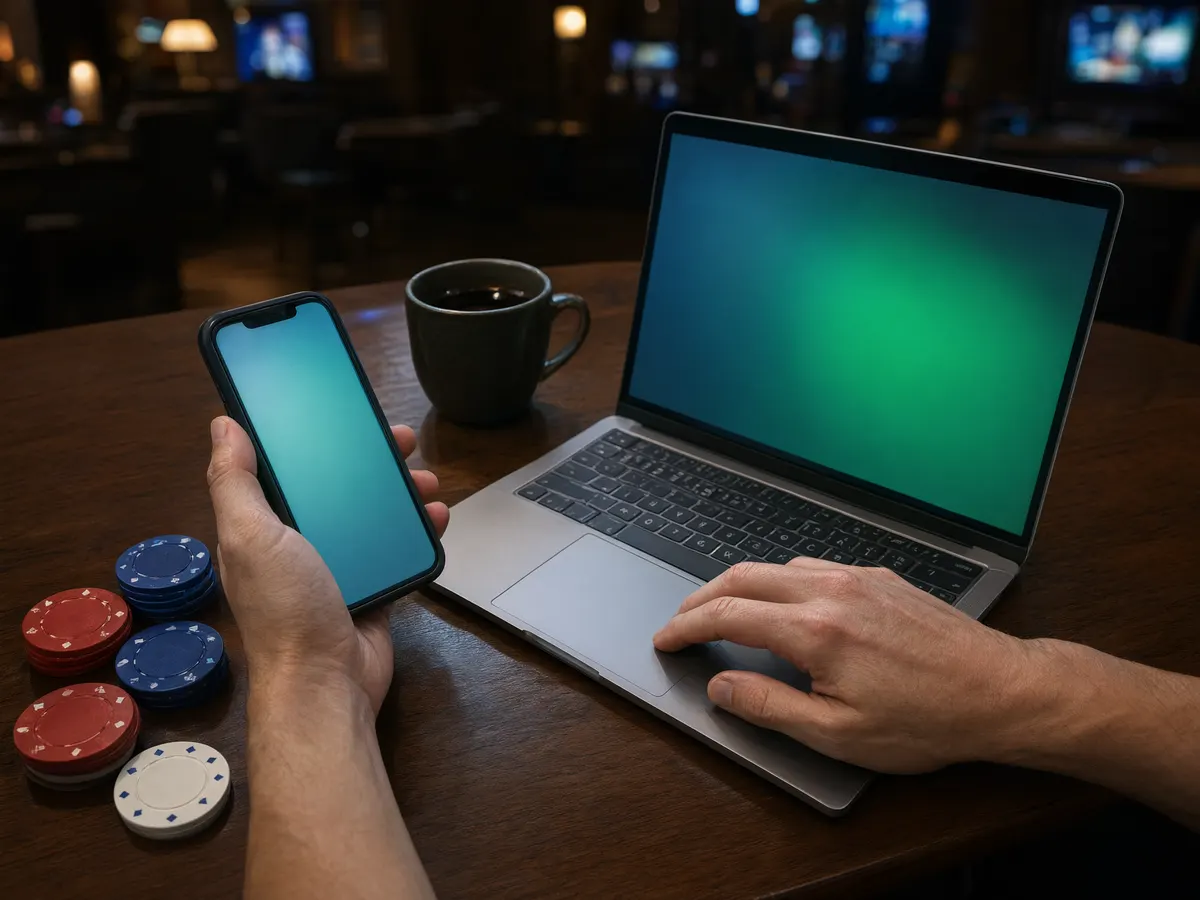
Not every gambling session happens on a physical floor, obviously, and these habits only loosely carry over to play on a phone or laptop. Anyone splitting time between a casino trip and sessions at home ends up comparing the two eventually, and for readers curious what a well-run india online casino setup looks like in terms of game variety and interface, it’s worth a glance just as a point of reference against what you already know from physical tables. As with any gambling, it’s meant to stay a discretionary, adults-only form of entertainment — played to a budget, not a plan.
A short list of habits that travel well
- Ask before you sit at a table that already has players mid-hand or mid-shoe.
- Keep your phone off the felt; most pit staff will ask you to put it away, and they’re right to.
- Count your chips quietly before you leave a table, rather than assuming the count’s correct.
- If you’re new to a game, just say so. Dealers would rather explain a rule once than sort out a dispute later.
None of this is complicated once you’ve seen it play out a few times. The floor rewards people who pay attention to the room, not the ones who memorised a rulebook beforehand.



Leave a Reply